Retailer Electrical Solutions Orange County: Open with Self-confidence
A grand opening should seem like a thumbs-up, not a scramble for extension cords and last‑minute evaluations. Electrical work sits at the center of that confidence. Storefront lighting, point‑of‑sale uptime, refrigeration for grab‑and‑go coolers, music and aroma systems, border security, and the little things like a well‑placed flooring box where a display screen table requires power, they all depend on a design and installation that appreciates both the letter of code and the rhythm of retail. After two decades constructing out occupant improvements from Anaheim to Irvine, I can tell you the difference in between a smooth opening and a demanding one is made months earlier, in choices that seem small at the time.
This guide unpacks what a reputable Orange County electrician ought to deliver for retail tasks of all sizes, from store buildouts to multi‑tenant rollouts. Whether you are revitalizing an area at The Lab in Costa Mesa or taking control of a shell in a brand-new Irvine spectrum development, the same basics use: tight coordination, smart lighting, tidy power circulation, life‑safety systems that pass evaluation the very first time, and a crew you can reach when something breaks on a Saturday night.
Permitting, assessments, and the Orange County way of doing things
Every jurisdiction inside the county has its own taste. Santa Ana's counter conversations are not the same as Irvine's plan evaluation cadence. Some cities enable over‑the‑counter permits for light remodels if you bring a clear scope and load calcs; others will path through plan check regardless. Your Orange County electrical contractor must take point on this. Anticipate them to:
-
Build a permit submittal plan that covers a one‑line diagram, panel schedules, load estimations, Title 24 lighting kinds, and a website strategy that calls out trenching or car park EV provisions if applicable.
-
Coordinate with your GC and designer so that circuiting, controls, ceiling heights, and fixture types match what is shown in the reflected ceiling strategy and schedules.
-
Speak fluently with inspectors about California Electrical Code, Title 24 Part 6 for energy, and regional modifications. For retail, typical flags consist of emergency egress illumination levels, daylighting and multi‑level controls, and service receptacles within 25 feet of rooftop mechanical equipment.
If you are handling Southern California Edison for a brand-new service or a meter spot, schedule early. Preparations fluctuate, often 2 to 6 weeks for simple meter upgrades, longer if a transformer modification is on the table. A licensed electrician Orange County providers trust will have design templates for SCE load letters and know who to call when a job stalls.
Lighting that offers, conserves, and survives inspection
Retail lighting is not just about foot‑candles. It is about color rendering on fabrics, clean beam spreads that keep racks bright and aisles comfy, and a control strategy that passes Title 24 without ending up being a daily disappointment for staff.
Color and comfort. For garments, beauty, or home items, aim for 90+ CRI and 3000 to 3500 Kelvin. Jewelry corners gain from a touch cooler, 3500 to 4000 Kelvin, to include sparkle without washing color. I as soon as enjoyed a Costa Mesa store lift weekly sales 7 percent after replacing 82 CRI lights with 95 CRI modules and tightening up beam spreads from 40 to 25 degrees over feature tables. The merchandise merely looked right.
Layout matters. A good lighting setup Orange County group will combine ambient lighting for basic visibility with track accent heads or adjustable recessed fixtures for function walls. Recessed lighting Orange County codes frequently push towards LED with high efficacy; existing great fixtures land above 80 lumens per watt without sacrificing quality. In fitting rooms, soften it. Indirect or wall‑grazing develops a lovely environment and minimizes returns. For checkout counters, prevent downlight glare straight over the POS screens.
Controls that pass and perform. Title 24 requires vacancy sensing units in numerous spaces, multi‑level or dimming controls for many luminaires, and daylighting controls where skylights or large windows bring in natural light. The trick is keeping it human‑friendly. Program job sensing units with a modest timeout, say 15 minutes for back rooms and storage, and put manual on at doors so personnel choose when the lights begin. At the sales flooring, schedule‑based controls with scene presets for morning setup, peak hours, and closing keep it basic. When inspectors show up, they will test automatic shutoff and daylighting zones; have your Orange County electrical contractor present to demonstrate compliance.
Outdoor and sign lighting. Parking area and exterior lighting falls under outdoor lighting Orange County requirements, that include backlight, uplight, and glare considerations. Select luminaires with cutoffs that respect surrounding renters and residences. Channel letters and blade indications require committed, changed circuits and typically a photo‑eye or astronomic timer. Location the control where personnel can reach it without a ladder.
Power circulation that fits retail realities
Behind the ceiling and drywall, retail power rigs must be robust and versatile. Tomorrow's seasonal design will not be the same as today's launch, and absolutely nothing slows a changeover like hunting for circuits at 10 p.m.
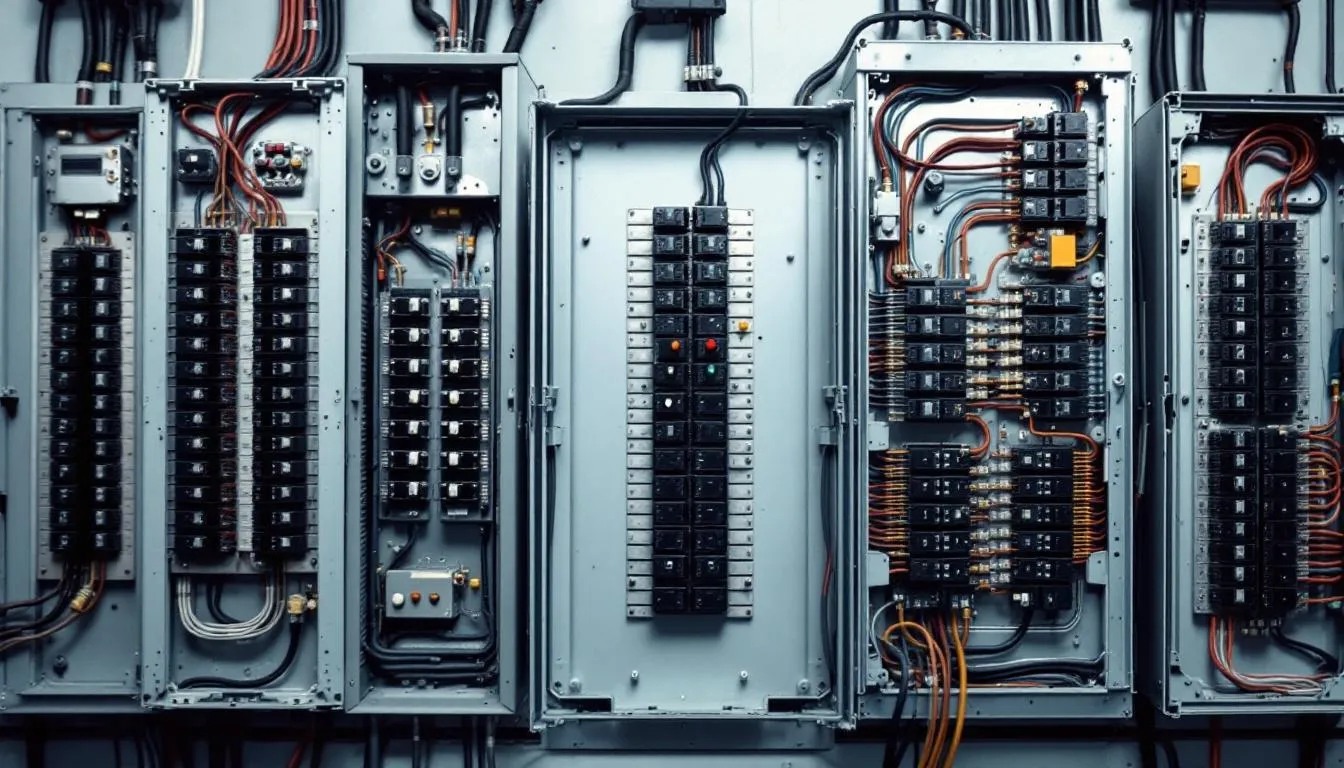
https://rowanqlwc701.novacrestiq.com/posts/medical-office-electrical-compliance-orange-countyService size and panels. Your load calculation must cover lighting, receptacles, HEATING AND COOLING, signage, kitchen area or beverage devices, and any specialty loads like fragrance makers or video walls. Small stores can run conveniently on a 200 amp, 120/208V 3‑phase service; bigger shops frequently need 400 amps or more, specifically if refrigeration or cooking equipment is on site. If utility upgrades are impractical, a targeted electrical panel upgrade Orange County teams perform regularly can totally free capability by rebalancing phases, tightening feeder terminations, and changing obsolete breakers.
Subpanels and circuiting. Keep a tidy main distribution and feed subpanels near to high‑demand zones. A POS subpanel with separated ground circuits keeps signs up stable. A lighting subpanel simplifies after‑hours troubleshooting without removing refrigeration or POS.
Floor boxes and flexibility. Put power where the components and tables want to be, not simply along the walls. For open flooring plates, in‑slab flooring boxes at display pods pay for themselves within one retailing cycle. Mark them on as‑builts so your personnel can discover them without guesswork.
Surge and power quality. Delicate POS systems and LED chauffeurs do not like unclean power. A mix of panel‑mounted rise protection and separated ground receptacles at registers goes a long method. For shops with audio and video walls, harmonic filtering and careful neutral sizing prevent nuisance journeys and flicker.
When is it an upgrade versus a full changeout? That turns up frequently when the existing equipment is tired. Here is a quick contrast that assists owners weigh options.
-
Panel upgrade: Keep the existing enclosure, replace the interior guts and breakers, upgrade labeling, include rise security, and rebalance loads. Good when the can is in good shape, clearances fulfill code, and capacity is close. Faster and frequently more economical, especially in finished spaces where a full demonstration would trigger patching and repainting.
-
Panel replacement: Get rid of the enclosure and set up new. Necessary when the can is damaged, clearances are noncompliant, the bus rating is too low, or the brand name is obsolete with suspect breakers. This takes longer and might need utility coordination, however it prevents future parts headaches.
Low voltage and wise systems that play well together
Retail resides on connectivity. From EMV chip readers to Wi‑Fi access points, music streaming, cameras, and digital signs, low voltage circuitry Orange County services should be prepared alongside line voltage, not tacked on later.
Point of sale. Run devoted circuits with separated premises to POS stations and offer each position a network drop and an extra. Keep power whips and information runs different to decrease disturbance. Where channel is needed, emergency medical technician for power and plenum‑rated cable television trays for data keep it tidy.
Audio and paging. Speaker lines can share pathways with low‑voltage lighting control buses if protected and separated properly, but prevent bundling with PoE data runs. Provide a rack area with cooled ventilation for amplifiers, mixers, and control gateways.
Cameras and security. Coordinate with the security vendor on device counts and power requirements. Many modern video cameras run PoE+, which streamlines cabling but increases switch load. Designate circuits for network switches and battery backups in the IDF. Label everything. A regional electrical contractor Orange County team that believes like a center supervisor identifies both ends and updates a simple spreadsheet that your personnel can in fact use.
Smart controls. In property work we speak about wise home circuitry Orange County all the time. Retail sees similar gains from centralized control, just with different gamers. A well‑planned control backbone that connects lighting, HVAC setpoints, and signs schedules into a single dashboard settles in energy and staffing. Keep it open‑protocol where possible, and insist that passwords and admin rights pass to the occupant at project closeout.
Life safety that hands down the very first try
Nothing kills an opening date like stopping working an electrical evaluation Orange County needs on emergency situation egress. The checklist lives in my head after a lot of walk‑throughs with inspectors.
Egress illumination. Paths to exits need to satisfy minimum foot‑candles at the floor even throughout power loss. That means dispersed emergency situation components or essential battery crams in a portion of luminaires. Check them under load, not just a quick button press.
Exit signs and placement. Mount heights, presence from aisles, and directional chevrons matter. Battery backup units should hold for 90 minutes. I replace the battery on any unit that reads listed below spec on a timed test.
Fire alarm and monitoring. Depending on structure type, your task might touch a base structure system. If so, coordinate device moving early. Some cities require a different permit and a NICET‑stamped submittal for even little changes. Your commercial electrician Orange County partner must know when to include a devoted fire alarm specialist and keep pathways certified with plenum and seismic rules.
GFCI and tamper resistance. Bar sinks, mop sinks, bathrooms, and any receptacle within 6 feet of a water source need to be secured. Public‑facing outlets need tamper‑resistant receptacles. Inspectors examine test buttons without prompting.
Backup power. Complete generator installation Orange County approvals are normally overkill for retail unless refrigeration or critical drug store operations are included. But a targeted UPS for POS racks and network equipment is cheap insurance coverage. If you keep vaccines or high‑value perishables, talk early about an electric lorry battery charger Orange County design battery backup is not a replacement; you need a noted standby system created for the load.
EV chargers and parking lot power that extend your brand
More shopping mall in Orange County are including EV charger installation Orange County jobs to serve consumers and staff. If you manage your parking, a pair of Level 2 stations by the store brings dwell time and goodwill. Not every site has the extra capacity, however. Choices include load sharing, panel upgrades, and sometimes a little service addition simply for EV. Trenching in active lots needs traffic control and careful preparation to prevent watering and unknowns. I like to run extra channel while the asphalt is open, capped and recorded for future chargers or security bollards with lighting. If the center manages EV facilities, at least stub power to your exterior for signage lighting and future displays.
Buildout sequence that respects opening dates
Retail construction lives on schedule. The electrical path from demonstration to final punch has foreseeable choke points. Handle them and you win your date on the calendar.
Rough in runs behind framing and under slab work preceded. Confirm fixture submittals early so blocking, box sizes, and mounting heights match. Evaluations at rough will examine box depths in fire‑rated walls, assistance for heavier fixtures, and proper nail plates where required.
Ceilings determine the mid‑phase. As soon as grid or drywall ceilings close, modifications are costly. Walk the area with your superintendent and electrical expert to validate every outlet area, specifically in millwork and at the money wrap. Request for momentary lighting and a powered outlet cluster for trades to lower trip hazards from cords.
Trim and manages come late, but they do not require to be disorderly. Have your electrical expert bench‑program lighting control scenes before last intending and dimming. For recessed multiples and track, do a nighttime goal session with merchandising leads on website. It takes an hour and conserves weeks of tweaks.
Utility and life‑safety inspections usually run prior to last. If SCE has not yet spotted the meter or released service upgrades, that can stall you even with a best interior. A very same day electrical expert Orange County group can not repair utility preparations, but they can prepare short-lived power strategies so other trades can keep moving.
Maintenance, repairs, and the unglamorous details that matter
After opening, upkeep keeps the experience consistent. A maintenance strategy is not a luxury; it is a budget plan smoother.
Lighting replacements. Stock 2 to 3 percent of your LED lights and motorists. Even with 50,000 hour scores, drivers do fail under heat. Keep record of driver models and color temperatures by zone. It keeps the sales floor from becoming a patchwork of whites.
Testing and cleansing. Quarterly checks of exit lights, sensor calibration, and control schedules keep you in compliance and get rid of surprises throughout annual inspections. Dust in vents and on heat sinks shortens LED life.
Emergency calls. Power trips at closing time, a dead circuit on the espresso maker, a failed panel breaker on a Saturday, this is the reality. An emergency electrician Orange County team with a 24 hr electrical contractor Orange County hotline turns a crisis into a little delay. When we support multi‑unit operators, we publish a two‑tier reaction time: two hours for life‑safety, same day for sales‑impacting, and next service day for problem concerns. It sets expectations and keeps expenses clear.
Electrical fixing Orange County design prefers systematic work. Infrared scans once a year catch hot connections in panels. Torque checks at seasonal changeovers find the set screws that like to loosen. Identifying and as‑builts pay dividends here.
Budget, worth, and where to spend or save
Not every retail build has a flagship budget plan. Again and again I see owners conserve smart in back‑of‑house but invest where the client feels it.
Spend on high CRI lighting and flexible circuiting. They repay in sales and decreased rework. Buy a quality lighting control backbone that does not lock you into a single exclusive vendor.
Save by standardizing device finishes and heights across stores, even if each area has unique millwork. Your budget-friendly electrical expert Orange County partner can pre‑fab assemblies and minimize labor. Keep specialized fixtures to include zones, not everywhere.
Panel choices need to be honest. If the existing panel brand is known for sticky breakers or parts scarcity, do not half‑step. A decisive panel replacement Orange County task is less expensive than hauling out a ladder two times a month for nuisance trips.
Choosing the best partner for your store
Credentials and chemistry matter. A top ranked electrician Orange County crew is not defined by stars on a profile, however by predictable work and clear interaction. Anticipate the following from the very best electrician Orange County merchants go back to:
-
Proper licensing and insurance. A licensed electrician Orange County mark is the baseline. Ask for C‑10 license number and inspect it with the CSLB. Confirm employee's compensation and basic liability.
-
Local understanding. An electrician Orange County CA based group knows the quirks of inspectors in Irvine versus Huntington Beach, and how SCE handles meter spots in each.
-
Transparent pricing and options. The best regional electrical expert Orange County will reveal you alternates: a panel upgrade versus replacement, a lighting plan A versus B with clear energy and quality impacts, and phased add‑ons like EV arrangements that can wait till after opening.
-
Capacity for business scale and a touch of residential finesse. A commercial electrician Orange County specialist is vital for life‑safety and coordination. That stated, the trim work at the money wrap and decorative components owe more to a mindful residential electrician Orange County skill set. Shops that do both tend to deliver cleaner finishes.
-
Service after the ribbon cut. Look for Orange County electrical repair reaction dedications in writing, including after‑hours rates. A same day electrical expert Orange County guarantee indicates bit without a plan to personnel it.
A short pre‑opening power‑on checklist
Use this throughout the last week, when everybody is tired and details slip.
-
Walk the floor in the evening with lights on scenes for early morning, peak, and closing. Adjust dimming so displays pop without glare.
-
Test all emergency and exit lights on battery for a minimum of 10 minutes while measuring egress foot‑candles with a standard meter.
-
Plug in every POS, run a test deal, and replicate a quick power loss with an as much as validate network equipment trips through.
-
Trigger lighting controls in every zone: job sensors, timers, and daylighting dimming. File override actions for staff.
-
Verify all panel schedules, labels, breaker torque, and keep a laminated one‑line diagram in the electrical room.
Two field notes from recent Orange County projects
A specialty grocer in Anaheim Hills acquired a 225 amp panel feeding both lighting and refrigeration. Weekly trips at 6 p.m. Told the story. We logged loads for 7 days and saw peaks brushing 220 amps when lights dimmed up for evening traffic. The owner wanted to prevent a long utility upgrade. We performed a targeted electrical panel upgrade Orange County inspectors authorized in one check out: brand-new interior, rise security, separation of refrigeration to a devoted subpanel, and rebalanced lighting stages. Trips vanished. The cost was available in at a fraction of a brand-new service run and involved a single over night shutdown.
A sneaker boutique in Costa Mesa fell in love with a very little ceiling and desired all power in the flooring. We mapped 14 floor boxes to match modular display screens and included 2 spares topped under piece where future fixtures might land. The GC soaked Tuesday; by Friday we were hot on temp power and marking collaborates on the refined concrete strategy. When they changed the layout three months later on, those spares saved a weekend of cord covers. Small insight, big impact.
When things go sideways, here is how a good team responds
Openings have moving targets. A shipment hold-ups, an indication needs a modified circuit, or a surprise in the wall chews a day. The distinction maker is responsiveness. A finest electrical expert Orange County crew will staff a supervisor who can reroute a circuit to avoid a beam without adding a dozen junction boxes, propose an alternate fixture with the right photometrics and a three‑day lead time, and brief the inspector on the modification before it becomes a red tag. That calm, professional cadence comes from repetition and pride in the craft.
If you are still browsing with phrases like electrician near me Orange County, look closely at how prospects speak about Title 24 controls, how they label their panels, how they explain coordination with millwork suppliers, and how they prepare for interruptions throughout cutovers. Those responses reveal the distinction between a professional who merely links wires and a partner who assists you open with confidence.
Retail electricity is not unique. It rewards excellent habits, truthful mathematics, and relentless attention to information consumers never see. When those pieces click, your lights feel simple and easy, your signs up hum, and your personnel does not think of the power at all. That is the goal, and it is absolutely achievable with the right Orange County electrician at your side.